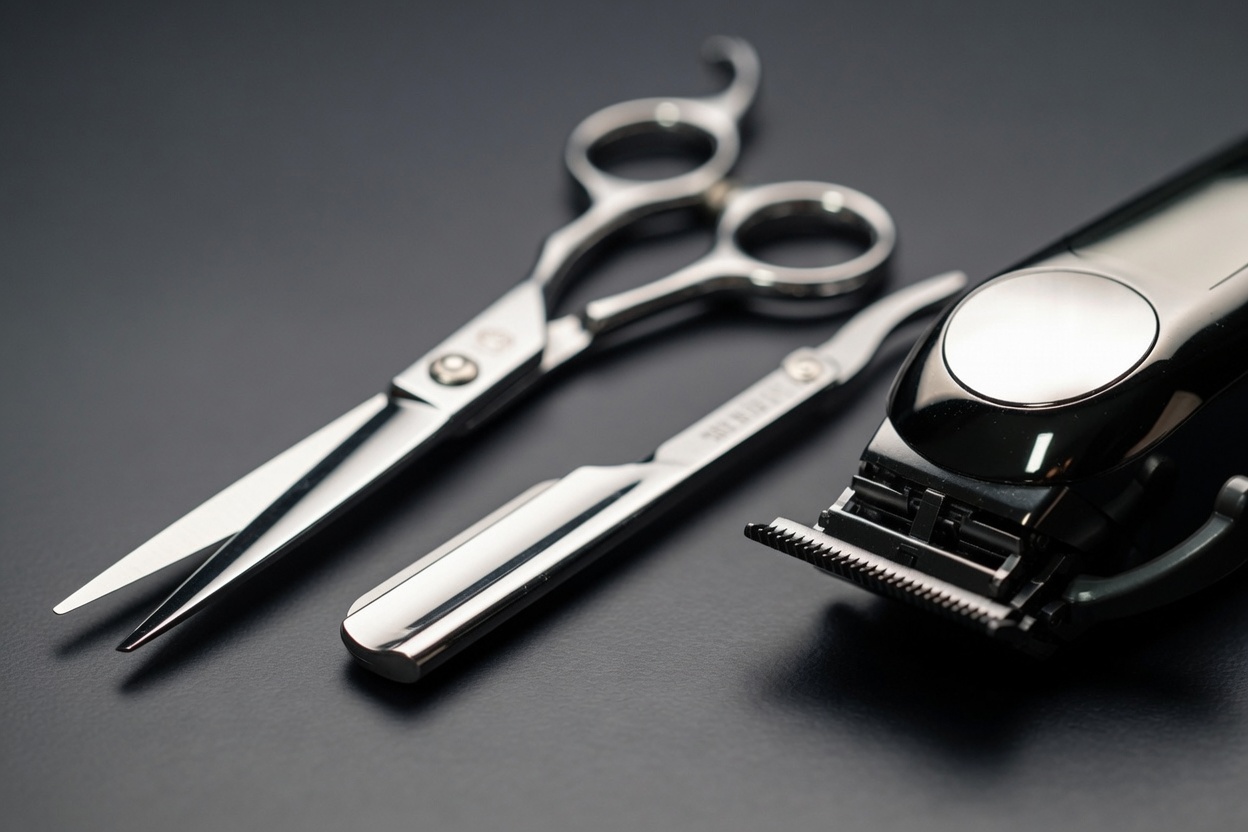
Barber Tools 101: What Separates a Professional Razor & Clipper From the Rest
Published: January 01, 2026
Ask any experienced barber and they'll tell you the same thing: the fade doesn't come from the skill alone — it comes from the tool in your hand cooperating with that skill. A razor that drags, a clipper that pulls instead of cutting, or a blade that dulls halfway through a busy Saturday can undo years of technique in a single appointment. That's why professional barbers are notoriously particular about their gear, and why understanding what makes a barbering tool genuinely "professional grade" matters — whether you're outfitting your first chair or restocking an established shop.
At Beast Instruments, we manufacture barber razors, shears, and clipper components using the same forging and finishing standards we apply across our surgical and grooming instrument lines. In this guide, we break down exactly what separates a professional-grade barber tool from a mass-market one, and what to look for before you buy.
Why the Tool Matters as Much as the Technique
A skilled barber can compensate for a lot, but not everything. Tool quality directly affects three things clients notice immediately:
- Cut cleanliness. A sharp, evenly ground edge cuts hair in a single pass. A dull or unevenly finished blade tugs and pulls, which is uncomfortable and produces a less precise line.
- Consistency across a full day. Tools that dull quickly perform noticeably worse by the fifth or sixth client of the day, forcing barbers to apply more pressure or make repeated passes.
- Client comfort, especially with razors. A straight razor used for edging or a shave-down is in direct contact with skin. Blade quality here isn't just about performance — it's about avoiding nicks, irritation, and discomfort.
The Steel Behind a Great Razor
Material Standards
Professional straight razors and shears are typically forged from high-carbon stainless steel or Japanese-style steel alloys, chosen specifically for their ability to take an extremely fine edge and hold it. Lower-grade steel might look identical when new, but it loses its edge within days of regular use, requiring constant stropping or replacement.
Forged vs. Stamped Blades
Just as with surgical instruments, a forged razor blade — heated and shaped under pressure rather than stamped from flat sheet metal — has a tighter internal grain structure. This translates directly into better edge retention and a blade that resists micro-chipping during regular honing and stropping.
Edge Geometry
The angle at which a razor's edge is ground affects both sharpness and durability. A properly ground edge balances a fine enough angle for a smooth, close cut with enough steel behind the edge to prevent chipping. This is a detail that's very difficult to get right with cheap, mass-stamped blades, which often have inconsistent grinding along the length of the edge.
Clippers: What Actually Matters Beyond the Motor
Barbers often focus on motor power when evaluating clippers, but the blade set matters just as much for the final result.
Blade Steel and Finish
Clipper blades should be made from hardened stainless steel with a smooth, evenly finished cutting surface. Rough or inconsistently ground blades create friction, generate heat during use, and pull hair rather than shearing it cleanly — leading to client discomfort and a less precise fade.
Blade Alignment
The upper and lower blades in a clipper set need to sit perfectly flush against each other. Even a slight misalignment causes uneven cutting, snagging, or an audible "clicking" during use — a sign the blade set needs adjustment or replacement.
Corrosion Resistance
Clipper blades are exposed to hair product residue, moisture, and frequent disinfecting sprays throughout the day. Quality stainless steel resists pitting and rust under these conditions, while lower-grade metal can start showing corrosion within weeks, dulling the cutting edge prematurely.
Shears: The Detail Work Depends on Them
Barbering shears used for texturizing, point cutting, or detail work follow the same principles as grooming and surgical scissors:
- A single, continuous cutting edge with even tension along the full blade length.
- A smooth, adjustable pivot that allows the barber to control tension based on hair type and cutting technique.
- Balanced weight distribution in the handle, since barbers hold shears for extended periods and fatigue affects precision over a long shift.
How to Maintain Barber Tools for Maximum Lifespan
Even the best-forged tools need proper care to perform at their best over time:
- Strop straight razors regularly to realign the edge between full honings, rather than waiting until the blade feels noticeably dull.
- Clean blades after every client to remove hair, product buildup, and skin oils before they dry and affect the cutting surface.
- Disinfect according to your local health board's requirements, using solutions that don't corrode stainless steel over repeated use.
- Oil clipper blades regularly to reduce friction and heat buildup, which extends blade life and keeps cuts smooth.
- Store razors and shears in cases or guards, not loose in a drawer, to protect the edge from nicking against other metal tools.
- Have blades professionally honed or sharpened periodically rather than replacing tools at the first sign of dulling — quality forged steel can be resharpened multiple times before it needs retiring.
Choosing Tools for Your Shop
For barbershops running a full day of back-to-back appointments, investing in forged, higher-grade steel tools pays off quickly through reduced replacement costs and more consistent results across every chair. For individual barbers building a personal kit, the same principle applies — a slightly higher upfront investment in properly forged razors, shears, and clipper blades tends to outlast several cheaper replacements combined.
Our Approach at Beast Instruments
Every barbering tool we manufacture — razors, shears, and clipper blade components — is forged from certified stainless steel and hand-finished to the same standard as our surgical and dental instruments. We understand that in a barbershop, the tool isn't just equipment — it's the barber's instrument of precision, used against skin and hair hundreds of times a week.
Whether you're setting up a new shop or upgrading your personal kit, choosing properly forged, well-finished tools makes a difference clients notice — even if they can't always say exactly why.
Explore our full range of barber razors, shears, and clipper components — precision-forged for professionals who don't compromise on the details.